

Best Gun Cleaning Kits for AR-15 Owners
Quality matters. A good kit uses a steel rod (two-piece preferred) and brass or nylon brushes, not cheap plastic. If the rod flexes or the brushes wobble, you're about to scratch the finish. A solid warranty and metal case are a sign of real value.
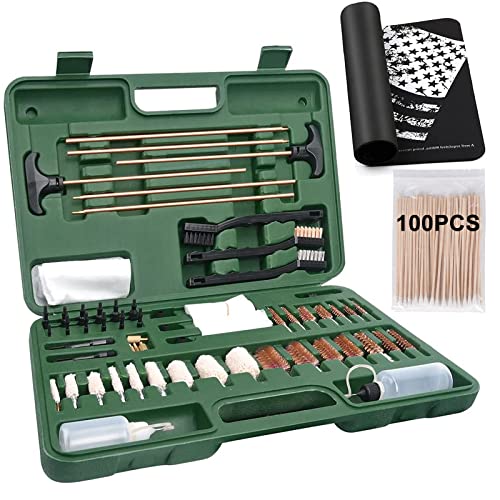
Make sure it's sized for AR-15: 5.56/.223 bore brushes, patches, jag, and a chamber brush if included. The kit should give you the essentials to scrub the bore, bolt carrier, and chamber without swapping parts. If you see odd calibers or missing AR parts, pass.
Table of Contents
Our Top Picks
Affiliate disclosure: if you buy through these links, we may earn a commission at no extra cost to you.


Factors to Consider
Build quality and materials
Kit contents and AR-15 compatibility
Solvents, oils, and rust prevention
Solvent quality matters. A good kit provides a solvent and a lubricant appropriate for firearms; avoid citrus-based cleaners that can dry out polymer parts. Look for rust inhibitors or a simple oil that clings to metal. Safer formulations reduce corrosion risk and stink less on the bench.
Portability, case design, and organization
Case design matters. A padded, molded case or a labeled pouch keeps tools from banging around. Clear pockets and a small mat save time on the bench. If it sits in your range bag unlocked, you’re inviting loss and damage.
Value, warranty, and long-term ownership
Cheaper kits save money now but cost more later in wear. Entry-level kits run roughly $15-$40; mid-range $40-$80; premium $80+. A solid warranty and reputable brand cut risk and guesswork in a tight market. My read: invest once, own it for years, and you’ll outpace the price gap over time.
Frequently Asked Questions
What should be in a basic AR-15 cleaning kit?
A basic AR-15 kit should include a two-piece cleaning rod, a .22 caliber bore brush, patches and a patch jag or holder, a solvent, and a light oil. Some kits add a chamber brush and a small cleaning mat or tray for parts. If any of these are missing, keep shopping; you’ll regret it on a cold bench.
Is an AR-15-specific kit necessary, or will a universal kit work?
AR-15s run on .223/5.56; any kit with a dedicated .223/5.56 bore brush and patches will work. A universal kit with interchangeable brushes can also work, but verify it includes a chamber brush and the right bore size. If you’re buying one kit to cover multiple rifles, ensure it won’t force you to improvise parts.
How often should you clean your AR-15?
Clean after every range trip. In damp or dirty environments, clean sooner. Research and range-safety guidelines say post-use cleaning protects reliability and reduces wear.
What features indicate good build quality?
Look for a sturdy two-piece rod, brass or nylon brushes, and a case that fits the tool set without rattling. The kit should feel solid in the hand; if anything wiggles, it’s a sign to keep shopping. A reputable brand and a decent warranty help you sleep at night.
Are copper solvent cleaners safe for chrome-lined barrels?
Most copper cleaners are safe when used per directions and rinsed thoroughly. Chrome-lined barrels tolerate them well, but don’t leave solvent in the bore or overdo it. If in doubt, stick to mil-spec solvents and rinse with a light oil afterward.
How should I store my cleaning kit?
Store in a dry place, away from heat and direct sunlight. Keep solvents sealed and upright; wipe down metal parts after use to prevent corrosion. A labeled case or pouch that stays in your range bag is ideal for quick access.
Is a bore snake better than a rod-and-brush kit?
Bore snakes are fast for quick carbon cleanup, but they don’t scrub as thoroughly as a rod-and-brush combo. Independent reviews and tests show bore snakes can miss stubborn fouling; for reliability, pair one with a traditional kit for a final patch pass.
Conclusion
Maintenance is non-negotiable. Buy a quality AR-15 cleaning kit, learn to use it, and keep it in your range bag. My take: invest now, shoot with confidence, and outlast the hype.


